

This site will also have recipes from my own kitchens that were first published in the Cocksnoggin Cookbook. Easy to prepare and healthy…based on Mediterranean cuisine of olive oil, fresh herbs, garlic, fresh fruit and vegetables, lean meats (much of it grilled), and wine. Gastronomic quotes from Jean Anthelme Brillatt-Savarin included.
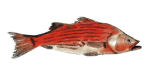
PIRATE FOOD (from the Internet): Sailors and pirates in the 18th century often ate horrible food. All the crew’s food for the entire voyage had to be packed into the hold and storerooms, and of course there was no refrigeration. Vegetables and meat were pickled or salted, and didn’t taste very nice at all. Cooks had to use lots of spices to hide the taste of each rotten meal. Even flour and sugar would spoil if water got into the hold during a storm. Poultry and livestock were kept in cages on deck so that there were eggs, and cattle or goats to milk or eat. Sometimes the crew caught fish or sea turtles, or even birds.
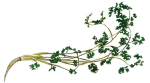
Recipe for Salamagundi / Salamagundi (from the Internet)
(pirate food: Caribbean, Atlantic, Indian Ocean 17th-18th centuries)
The colloquial French name for a highly seasoned cold salad. Salmagundi was a favorite food of the Caribbean Buccaneers, who carried it north to the Atlantic and east to West Africa and Madagascar. Bartholomew Roberts was eating salmagundi for breakfast when he was rudely interrupted by the British Navy off the coast of West Africa in 1722.
The strong seasonings and added variety to a diet of dried and smoked foods. Meat of any kind, including turtle, duck, or pigeon, was roasted, chopped into chunks, and marinated in spiced wine. Imported salted meat, herring, and anchovies also were added. When ready to serve, the smoked and salted meats were combined with hard boiled eggs and whatever fresh or picked vegetables were available, including palm hearts, cabbage, mangoes, onions, and olives. The result was a stirred together with oil, vinegar, garlic, salt, pepper, mustard seed, and other seasons.
 happyroger.org
Leave a comment
Comments feed for this article